

Magnesium glycinate benefits: what the rules and the evidence say
Magnesium is a mineral the body needs for muscles, nerves and bones, and about 53% of it is stored in the skeleton. Magnesium glycinate, also labelled bisglycinate, is simply magnesium bound to the amino acid glycine: the benefits come from the magnesium, while the glycine mainly changes comfort, weight and price.
In Saudi Arabia and the UAE, as in Europe, a food supplement may not claim to treat, cure or prevent a disease. The clearest reference for what may be said is the EU list of authorised health claims (Regulation 432/2012). For magnesium it allows only these wordings, on a product that supplies at least 15% of the reference intake per serving (about 56 mg). Magnesium contributes to:
- the reduction of tiredness and fatigue;
- electrolyte balance;
- normal energy-yielding metabolism;
- normal functioning of the nervous system;
- normal muscle function;
- normal psychological function;
- the maintenance of normal bones and teeth.
That is the whole list of magnesium benefits a label may state. Nothing on it mentions sleep, anxiety, cramps, blood sugar or blood pressure, so a product promising those goes further than the rules allow. Magnesium glycinate benefits are the same as those of any other form at the same dose: what changes is how well your stomach tolerates it and how much elemental magnesium each capsule really gives.
Food first. MedlinePlus, the health site of the US National Library of Medicine, names dark green leafy vegetables as the main source, followed by nuts such as almonds and cashews, legumes, seeds, whole grains, bananas, dried apricots and milk. In Gulf cooking, tahini, chickpeas, lentils, nuts and greens already do a lot of the work.

Magnesium glycinate for sleep: what the studies found, and their limits
Of all the magnesium glycinate benefits people look for, sleep comes first. Yet no health claim linking magnesium to sleep is authorised, so we describe the studies as they are and promise no result.
Main trials on magnesium and sleep (sources at the bottom of the page)
| Study | Who and how long | Dose | Published result |
|---|---|---|---|
| Abbasi et al., 2012 | 46 older adults with insomnia, 8 weeks | 500 mg magnesium a day | Better insomnia score, sleep efficiency and time to fall asleep than placebo; total sleep time did not differ |
| Mah and Pitre, 2021 (review) | 3 trials, 151 older adults | Varied between trials | Fell asleep about 17 minutes faster than with placebo; total sleep time not significantly different |
| Schuster et al., 2025 | 155 adults aged 18 to 65 reporting poor sleep, 4 weeks | 250 mg magnesium as bisglycinate, 30 to 60 minutes before bed | Insomnia score fell slightly more than with placebo (small effect); no difference on other psychological measures |
The limits are important. The trials are small and short (4 to 8 weeks), and two of them only concern older adults. Sleep was mostly self-reported by questionnaire, not measured in a sleep laboratory. The 2021 review rated every trial it included at moderate to high risk of bias and the evidence as low to very low quality. In the 2025 trial, the only one using glycinate, the daily dose also supplied about 1.5 g of glycine, so the result cannot be credited to magnesium alone, and the authors themselves call the benefit modest. Their exploratory analysis suggests that people who eat little magnesium may respond more, which still needs confirming. The 500 mg used in 2012 is twice the European upper limit for supplements. A 2024 systematic review of 15 trials on sleep and anxiety found mostly positive but mixed results, and said firm conclusions were held back by small groups and differing doses.
In practice. Magnesium glycinate for sleep is at best a small help, not a sleeping pill. If poor sleep lasts more than a few weeks, or comes with loud snoring or daytime sleepiness, see a doctor. Late Arabic coffee or tea, screens, shift work and the changed rhythm of Ramadan nights often matter more than any supplement.
Signs of low magnesium and when to get a blood test
According to MedlinePlus, many people eat less magnesium than recommended, but being truly deficient is rare in healthy people. Symptoms come in stages:
- Early signs: loss of appetite, nausea, vomiting, fatigue and weakness.
- Moderate deficiency: numbness or tingling, muscle contractions and cramps, seizures, personality changes and abnormal heart rhythms.
- Severe deficiency: low blood calcium and low blood potassium.
These signs are common and have many other causes, so they do not prove a lack of magnesium. MedlinePlus lists the situations that make a low level more likely: heavy alcohol use, chronic diarrhoea, uncontrolled diabetes with frequent urination, malabsorption such as coeliac disease or inflammatory bowel disease, excessive sweating, and some medicines, including diuretics, proton pump inhibitors for stomach acid and certain antibiotics. Older adults and people with type 2 diabetes also absorb less.
When to ask for a test. Talk to your doctor if you have several of these signs, take a diuretic or a stomach acid medicine long term, or have a digestive condition. The usual blood range is 1.6 to 2.6 mg/dL (0.66 to 1.07 mmol/L), and it varies slightly between laboratories. Keep in mind that only about 0.3% of the body's magnesium is in the serum, according to a 2018 review, so a normal result does not always rule out a low total: your doctor reads it alongside your symptoms and other tests such as calcium and potassium. Palpitations, fainting or a seizure are an emergency: call 997 in Saudi Arabia or 998 in the UAE.
Magnesium glycinate vs citrate, oxide and marine magnesium
A supplement never contains magnesium on its own: it is always bound to another substance, which gives the form its name and changes its weight, solubility and price.
Common forms of magnesium and what to know
| Form | What it is | What the data say | Watch out for |
|---|---|---|---|
| Glycinate (bisglycinate) | Magnesium bound to glycine | Widely chosen for comfort; few direct comparisons with other forms | Low magnesium by weight: about 14% in the 2025 trial capsules (893 mg of compound for 125 mg of magnesium) |
| Citrate | Magnesium bound to citric acid | Highest blood levels in a 2003 trial | May loosen stools at higher doses |
| Oxide | Magnesium bound to oxygen | No better than placebo on absorption markers in the same trial | Lots of magnesium per tablet, little of it absorbed |
| Marine | Salts from seawater or salt marshes | A mixture that varies by product | Read the dose per ampoule or tablet |
Magnesium glycinate vs citrate: the head-to-head data. Few trials compare forms directly. In 2003, Walker and colleagues gave 46 healthy adults 300 mg of elemental magnesium a day for 60 days, as an amino acid chelate, citrate or oxide. Both organic forms were absorbed better than oxide, judged by 24-hour urine, and citrate gave the highest blood and saliva levels; oxide did no better than placebo. The amino acid chelate tested then is not necessarily the same as today's bisglycinate. A 2019 study of 15 commercial products also found very wide differences in how they dissolved and were absorbed in the laboratory, so the product matters as much as the name of the form.
In practice: citrate if price per mg matters and your stomach copes, glycinate if other forms loosen your stools, and avoid oxide if absorption is the aim. Magnesium glycinate benefits do not come from the glycine itself: always read the elemental magnesium line in the nutrition table.


Magnesium glycinate dosage: how much is enough, and the upper limit
The US recommended intakes from all sources, as reported by MedlinePlus, are 400 mg a day for men aged 19 to 30 and 420 mg from 31; 310 mg for women aged 19 to 30 and 320 mg from 31; 350 to 360 mg in pregnancy from age 19, and 310 to 360 mg when breastfeeding. Children aged 9 to 13 need 240 mg. The European Food Safety Authority sets slightly lower adequate intakes: 350 mg for men and 300 mg for women.
The upper limit concerns supplements only, not magnesium in food:
- Europe (EFSA): 250 mg of magnesium a day from supplements, for adults, children from 4 years, and during pregnancy and breastfeeding. No limit is set under 4 years.
- United States: 350 mg a day from supplements for adults.
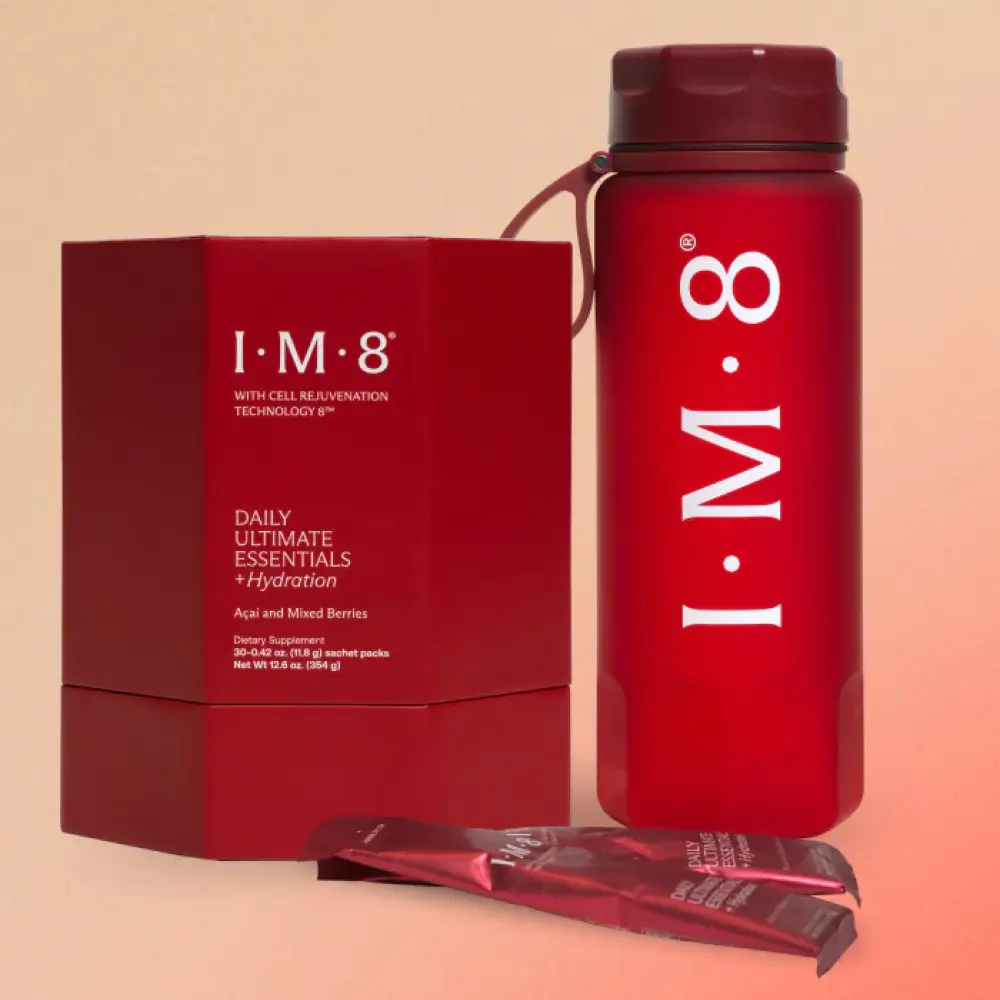
A sensible magnesium glycinate dosage is therefore 100 to 250 mg of elemental magnesium a day, on top of a varied diet. Do the maths on the label: 1,000 mg of magnesium bisglycinate gives roughly 140 mg of magnesium at the 14% seen in the 2025 trial (our calculation). And add up every source: an all-in-one powder such as IM8 already supplies 100 mg as bisglycinate per serving according to the brand, and multivitamins or fizzy tablets count too.
When to take magnesium glycinate
No study shows a best time of day for the authorised functions. The sleep trials gave it in the evening, 30 to 60 minutes before bed in the 2025 study. Otherwise, choose the time you will not forget:
- With a meal if your stomach is sensitive.
- Split a larger dose into two.
- During Ramadan, at iftar or suhoor, or half at each.
- Away from some antibiotics: MedlinePlus advises taking magnesium-containing products at least 6 hours before or 2 hours after ciprofloxacin, and 1 to 2 hours apart from doxycycline.
- For thyroid hormone or osteoporosis tablets, ask your pharmacist how far apart to take them.
Magnesium glycinate side effects and who should avoid it
- Digestive upset: loose stools, cramps and nausea are the most common side effects. A 2023 Nordic review notes stomach complaints are frequent above 500 mg a day, and that in cramp trials minor digestive effects affected 11 to 37% of people taking magnesium. The 2025 glycinate trial reported no serious adverse events.
- Kidney disease: the kidneys clear extra magnesium. MedlinePlus says side effects from high intake are uncommon except when kidney function is clearly reduced, and the Nordic review says people with kidney failure should avoid supplements. Do not take any without your doctor, especially on dialysis.
- Medicines: diuretics and proton pump inhibitors change magnesium levels, and magnesium reduces the absorption of some antibiotics. Tell your doctor and pharmacist about every supplement.
- Pregnancy and breastfeeding: needs are a little higher, but ask your doctor before any supplement; the 250 mg European limit still applies.
- Children: no adult capsules without a paediatrician; there is no European limit at all under 4 years.
- Cramps: a Cochrane review of 11 studies, cited by the Nordic review, found no significant benefit on cramps in older adults. Frequent or painful cramps need a doctor.
Stop and seek medical advice if you feel unusual weakness, palpitations or confusion after starting magnesium.
How to choose a magnesium supplement in the UAE and Saudi Arabia
- Elemental magnesium in mg in the nutrition table, not the compound weight on the front.
- A dose within the limit: up to 250 mg a day from all your supplements.
- The form that suits you: glycinate for comfort, citrate for value.
- A short formula without promises about sleep or stress on the pack.
- Delivery and price per 100 mg, shipping included.
On 18 November 2026 we compared three partner products that ship to the Gulf. In short: Nujimé (shop) gives 300 mg of magnesium as bisglycinate in four capsules, with taurine and B vitamins, at AED 56 or SAR 58 for 120 capsules, the lowest price per 100 mg; three capsules (225 mg) keep you under the European limit. Nutripreneur gives 225 mg as bisglycinate in two capsules with taurine and vitamin B6, delivered to the UAE. Algosource (shop) offers liquid marine magnesium, 75 mg per ampoule, for people who dislike capsules, with high shipping costs. Marks, codes and delivery details are in our best magnesium ranking, and other minerals are in our minerals category.
Magnesium is also one of the electrolytes lost in sweat, in much smaller amounts than sodium. If you train or work in the heat, read our electrolyte drink guide too.
FAQ
What are the main magnesium glycinate benefits?
Magnesium glycinate benefits are those of magnesium itself: it contributes to the reduction of tiredness and fatigue, normal muscle and nervous system function, normal psychological function, electrolyte balance, normal energy-yielding metabolism and normal bones and teeth. The glycine mainly makes the capsule easier on the stomach for many people. No form of magnesium treats or prevents a disease.
Does magnesium glycinate help you sleep?
The evidence is limited. A 2025 trial of 155 adults with poor sleep found a small improvement in an insomnia score after 4 weeks of 250 mg magnesium as bisglycinate, and a 2021 review of three small trials in older adults found people fell asleep about 17 minutes faster, with low quality evidence. No health claim on sleep is authorised, and lasting insomnia needs a doctor.
Magnesium glycinate vs citrate: which is better?
Neither is better for everyone. In a 2003 trial citrate gave the highest blood levels, and both citrate and an amino acid chelate were absorbed better than oxide. Glycinate is often chosen because people tolerate it well, citrate because it is cheaper per mg. Compare the elemental magnesium on the label and your own comfort.
What are the side effects of magnesium glycinate?
The most common are loose stools, stomach cramps and nausea, more likely at high doses. Magnesium can build up in the blood when the kidneys work poorly, so people with kidney disease should not take it without their doctor. It can also reduce the absorption of some antibiotics, so space them as your pharmacist advises.
How much magnesium glycinate should I take a day?
Count elemental magnesium, not the weight of the glycinate. The European upper limit from supplements is 250 mg of magnesium a day for adults and children from 4 years, and the US limit is 350 mg. Most of your daily need, 310 to 420 mg depending on age and sex, should come from food.
When is the best time to take magnesium glycinate?
No study shows a best time for the authorised functions. Sleep trials gave it in the evening, about 30 to 60 minutes before bed in the 2025 study. Take it with food if your stomach is sensitive, split a larger dose, and during Ramadan take it at iftar or suhoor. Keep it apart from antibiotics such as ciprofloxacin or doxycycline.
Sources
- Commission Regulation (EU) No 432/2012, list of permitted health claims, EUR-Lex
- MedlinePlus (US National Library of Medicine): Magnesium in diet
- MedlinePlus: Magnesium deficiency
- Abbasi et al., magnesium and insomnia in older adults, J Res Med Sci 2012
- Mah and Pitre, oral magnesium for insomnia in older adults, systematic review, BMC Complement Med Ther 2021
- Schuster et al., magnesium bisglycinate in adults reporting poor sleep, Nat Sci Sleep 2025
- Rawji et al., supplemental magnesium, anxiety and sleep quality, systematic review, Cureus 2024
- Workinger et al., challenges in the diagnosis of magnesium status, Nutrients 2018
- Walker et al., bioavailability of magnesium citrate, amino acid chelate and oxide, Magnes Res 2003
- Blancquaert et al., bioavailability of 15 magnesium supplements, Nutrients 2019
- Henriksen and Aaseth, magnesium scoping review for the Nordic Nutrition Recommendations, Food Nutr Res 2023
- EFSA: overview of Tolerable Upper Intake Levels
- MedlinePlus: Ciprofloxacin
- MedlinePlus: Doxycycline
Food supplements are not a substitute for a varied, balanced diet and a healthy lifestyle, and they do not treat or prevent disease. If you are pregnant or breastfeeding, take medication or have a long-term condition, speak to your doctor or pharmacist before use.

Best Supplement Arabia content is written by our editorial team from the information published by the brands. Scores out of 10 rely on a public grid of 5 criteria*, completed by the editorial team’s judgement.
To support Best Supplement Arabia, links on the site are affiliate links: we may earn a commission when you buy through them, at no extra cost to you. Using the site means you accept our terms of use and our editorial policy.