

Japanese Green Tea Co review: is its Japanese matcha worth ordering to the Gulf?
Japanese Green Tea Co is the exclusive distributor of the Arahataen farm in Shizuoka. What is its ceremonial matcha worth, what is behind the world champion title, and what does ordering to the Gulf cost?

Ad, affiliate links: if you buy through our links, Best Supplement Arabia earns a commission at no extra cost to you. Some of the brands shown are our partners.
brand

My quick verdict on Japanese Green Tea Co
On traceability, this brand is ahead of almost the whole market. Every product page names the farm, Arahataen in Shizuoka, the Yabukita cultivar, the Chagusaba growing method, the grinding process, the size and the number of cups. The partner farm was founded in 1948 and has won Japan's national tea award four times, and Japanese Green Tea Co is its exclusive distributor outside Japan. The ceremonial matcha scores 4.7 out of 5 from 91 reviews on its page.
Two reservations. The Global Tea Championship world champion title shown on every page rewards the Limited Reserve matcha, sold at AED 1,119 for 30 g, not the AED 146 ceremonial matcha most customers buy. And shipping to the Gulf is not free: AED 112 per order from the US, with possible customs duties and VAT. My advice: order two or three tubes at once to spread the shipping cost.


In this full review, I look at the real origin, the price per cup in AED, shipping to the UAE and the Gulf, and the commitments of Japanese Green Tea Co, based on the brand's official product pages and the profile of its partner farm.
Brand rating
Score out of 10: based on the 5 criteria of our public grid, completed by the Best Supplement Arabia editorial team’s judgement. A criterion marked “Not disclosed” is left out of the calculation. Details on the Rating method page.
Our analysis of Japanese Green Tea Co
Japanese Green Tea Co is a US company that imports Japanese tea directly and sells it online. So I went through its official pages product by product, checked what the brand actually documents about leaf origin, cultivar and growing method, then worked out the price per cup in dirhams and reviewed shipping terms to the UAE and Saudi Arabia.
First finding: on traceability, this brand is above anything I usually see in tea. Every page gives the type of tea, the growing method, the cultivar, the size and the number of cups. You know which farm grows the tea, in which region, with which farming technique and since when. Second finding, more nuanced: the world champion title the brand shows everywhere does not apply to all its products, and it is worth knowing before you order.
📌 Ceremonial matcha: the flagship at AED 146 for 50 g
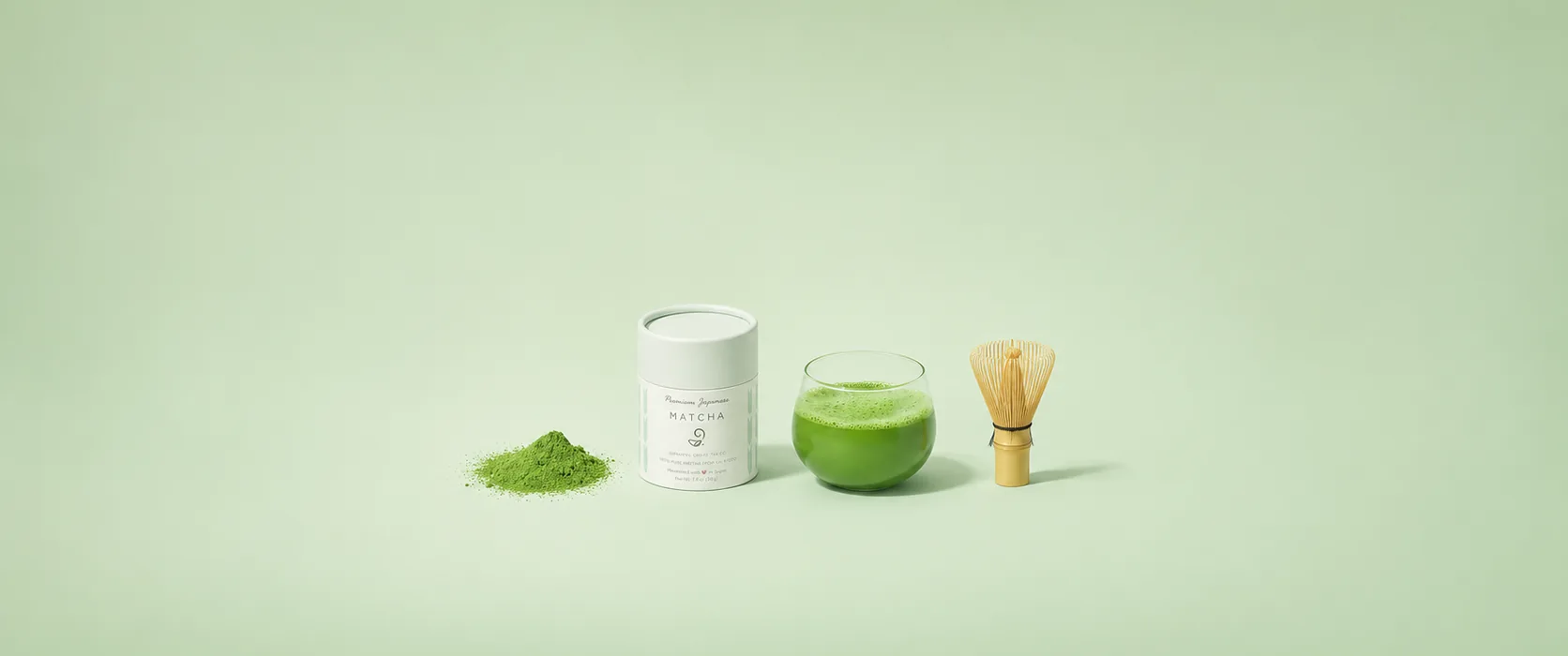
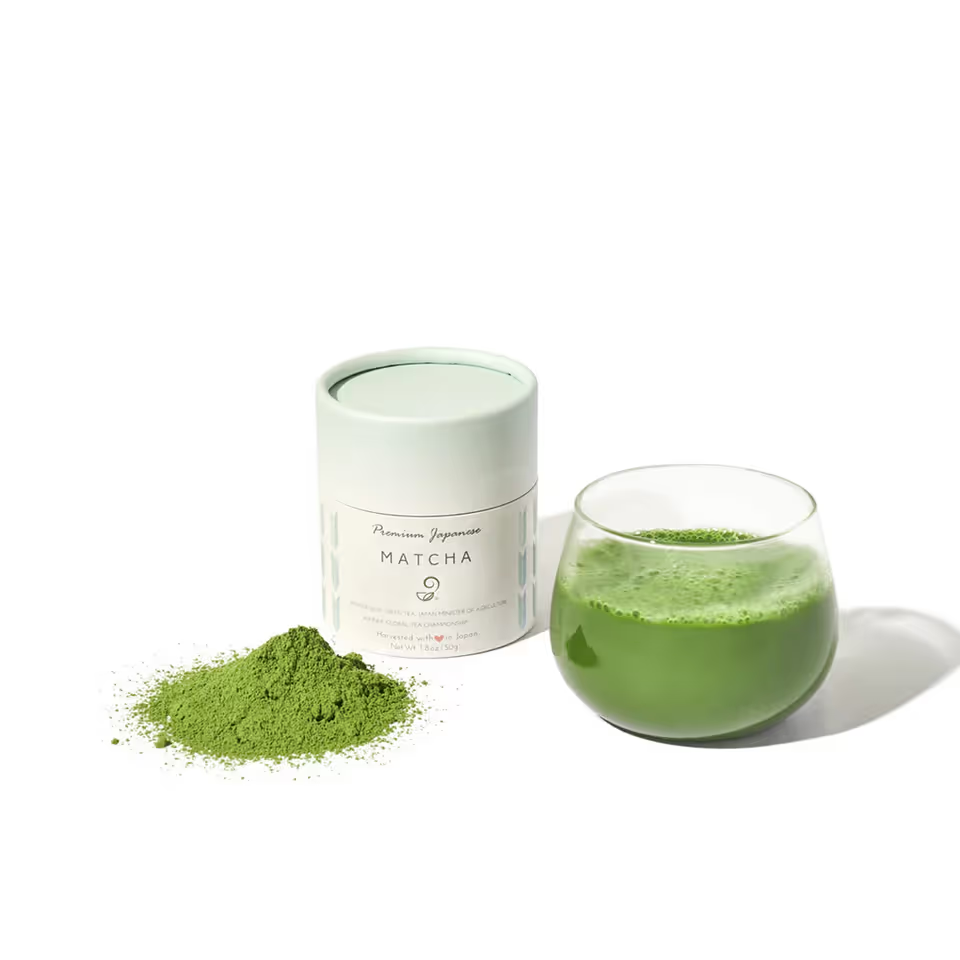
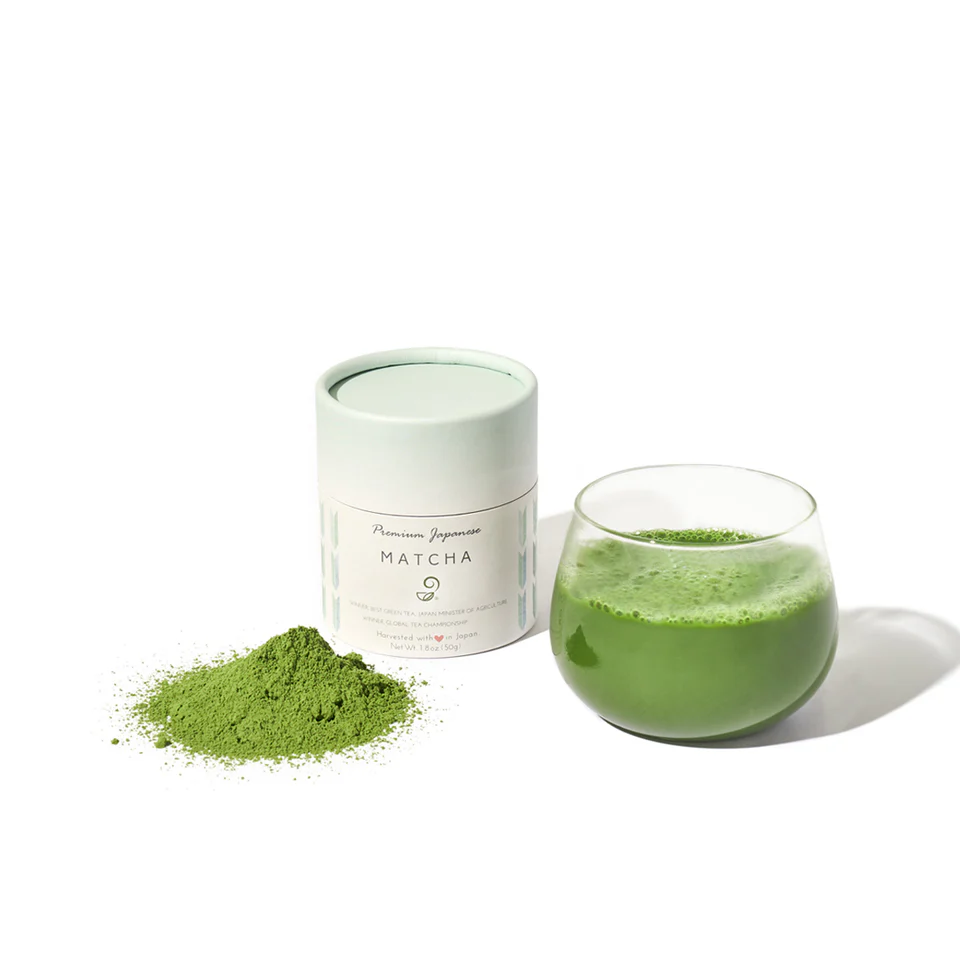
It is the best seller and the one I recommend to discover the brand. A ceremonial grade matcha with no additives, from the Yabukita cultivar, grown with the Chagusaba method on sugarcane-enriched soil, then slowly stone-ground so the powder does not overheat, which is what makes cheap matcha bitter. It comes in an airtight 50 g paper tube, good for 30 to 40 cups according to the page.
At AED 146 in the UAE (SAR 149 in Saudi Arabia), a cup costs between AED 3.65 and AED 4.87 depending on the dose, a mid-range price for a ceremonial matcha traceable to the farm. The code LMC brings the tube down to AED 131.40. There is also a refill without the tube at AED 135 for regular buyers. The page states 42 mg of caffeine per serving, between a standard green tea and a coffee.
📌 Genmaicha: the budget option
Genmaicha is a Japanese green tea blended with roasted brown rice. Its base is a Fukamushi Sencha, a long-steamed sencha, from the same Yabukita cultivar and Chagusaba method. The rice softens bitterness and adds toasty notes, which makes it one of the easiest Japanese green teas for beginners.
It is also the best value in the catalogue: AED 112 for a 200 g resealable bag good for 50 to 60 cups, about AED 2 a cup. Its caffeine is lower than matcha, 34 mg per serving according to the page.
📌 Limited Reserve matcha: the real world champion
This is the product you need to know to understand the brand's messaging. The matcha that won the Global Tea Championship in 2018 and 2025 is not the AED 146 matcha but the Limited Reserve, sold at AED 1,119 for a 30 g tube and delivered in a kiribako, the traditional paulownia wood box. The other two titles (2017 and 2019) went to Issaku Reserve tea.
It is obviously not an everyday purchase, at around AED 50 a bowl. But the distinction matters: when a product page or a review gives the world champion title to the everyday ceremonial matcha, that is inaccurate. The two share the same farm, cultivar and growing method, not the same leaf selection or price.
Verdict on format and preparation
The packaging is well thought out. The matcha comes in an airtight paper tube that protects it from light and oxidation, the real enemy of green tea powder. The brand even publishes the exact packaging dimensions on its pages, a rare level of detail.
Two practical points before ordering from the Gulf. Orders to the UAE and Saudi Arabia ship from the brand's warehouse in Washington State by USPS International Priority with tracking, at a flat AED 112 (SAR 115) per order, in 6 to 10 days according to the shipping policy. Free shipping is limited to the US, Canada, the UK, Australia and the EU. Customs duties and VAT (5% in the UAE, 15% in Saudi Arabia) may be added on delivery.
Effectiveness and experience
With tea, let us stick to the facts: this is not a food supplement, and the brand makes no health claims. What can be said is that the caffeine content is known and published, 42 mg per serving for the matcha and 34 mg for the Genmaicha, compared with roughly 80 to 150 mg in a cup of coffee.
What makes matcha different is that you drink the whole ground leaf rather than an infusion, and that it naturally contains L-theanine, an amino acid traditionally linked to shaded Japanese tea. The bushes are shaded for a few weeks before harvest, which raises caffeine and amino acids according to the official page. It remains a drink, not a health product, and its appeal here is the taste.
Who is Japanese Green Tea Co?
Japanese Green Tea Co is a US company founded by Kei Nishida in 2015, with a simple story: an engineer who brought Japanese tea back for his friends and ended up calling the farm directly when ordering online from abroad proved impossible. It belongs to the Dream of Japan group, serves the US, Canada, the UK, Australia and the EU, and ships to the rest of the world, including the Gulf.
At the heart of the model is an exclusive partnership with Arahataen Green Tea Farms, a family farm in Shizuoka founded in 1948 by Arahata Eizo, covering 17 acres with 55 people who grow, process and pack the tea on site. Since 1969 the farm has led a research group on deep steaming, won Japan's national tea award in 1974, 1975, 1979 and 2010, and was the best selling green tea online on Rakuten in Japan in 2016, 2017 and 2019.
📌 Key commitments
- Exclusive distributor outside Japan for the Arahataen farm in Shizuoka
- Detailed product pages: type of tea, Yabukita cultivar, growing method, size, number of cups
- Chagusaba method on sugarcane-enriched soil, in collaboration with Shizuoka University
- Four Global Tea Championship titles for two premium teas
- Flat-rate tracked shipping per order to the Gulf
- Free order cancellation within 48 hours
Ceremonial matcha vs supermarket matcha
| Criterion |
Our analysis
Japanese Green Tea Co matcha
|
Supermarket matcha
|
|---|---|---|
| Origin | ✅Named Arahataen farm, in Shizuoka, Japan | ❌"Product of Japan" with no farm or region |
| Cultivar | ✅Yabukita, stated on the product page | ❌Not stated |
| Growing | ✅Chagusaba method on sugarcane-enriched soil | ❌Conventional, undocumented farming |
| Grinding | ✅Slow stone mill to avoid overheating | ❌Industrial grinding, often more bitter |
| Composition | ✅100% powdered green tea, no additives | ❌Sometimes cut with sugar or milk powder |
| Price | ❌AED 146 for 50 g, about AED 3.65 to 4.87 a cup | ✅Often under AED 2 a cup |
The table shows where the money goes: into traceability and process, not packaging. A cheap supermarket matcha is not comparable, but it is rarely drunk straight. Among ceremonial matchas traceable to the farm, Japanese Green Tea Co sits in the upper middle of the price range, with shipping to the Gulf on top.
The range at a glance
The catalogue is broad for an importer: loose leaf and bagged teas, matcha, hojicha, gift sets and accessories. The two key products here are the ceremonial matcha at AED 146 for 50 g and the Genmaicha at AED 112 for 200 g. Alongside them you will find Genmai Matcha, a genmaicha with added matcha, the Limited Reserve matcha at AED 1,119 for 30 g and Issaku Reserve at AED 299 for 100 g.
Accessories complete the offer: a 100-prong chasen, an electric whisk, gift sets and even a home grinder to mill your own leaves. This breadth fits the brand's positioning: it does not sell a supplement, it sells a ritual, and follows the customer all the way to the equipment. To compare with other brands, see our matcha category.
A closer look at the composition: what are the products really worth?
The matcha, leaf by leaf
The matcha ingredient list is one line: powdered green tea, nothing else. That is the first quality test, as many supermarket matchas are cut with sugar, dextrose or milk powder. The rest happens upstream, in the leaf. Yabukita is Japan's most celebrated cultivar for aroma, the bushes are shaded for a few weeks before harvest to concentrate amino acids, then the leaves are dried, stripped of stems and veins and slowly stone-ground.
The Chagusaba method deserves a closer look, as it is the brand's central argument. Grasses are grown between the tea rows, cut and composted at the foot of the bushes, with sugarcane added to the soil. This traditional Shizuoka practice is labour intensive, and the farm works with Shizuoka University researchers to measure its effect on aroma. It is documented, verifiable, and explains the softer, less astringent profile the brand claims.
The Genmaicha, tea and rice
Genmaicha combines just two ingredients: a Fukamushi Sencha, a long-steamed sencha that gives a greener, bolder infusion, and puffed roasted brown rice. The page states that the rice is a quality Japanese sticky rice, a detail that matters: it brings the toasty notes and roundness, and low-grade rice goes soft from the first infusion.
It is also the less caffeinated of the two, at 34 mg per serving, because the rice takes up part of the volume. For anyone who finds Japanese green tea too bitter, it is the one to try first.
Technical analysis and expert verdict
Technically, Japanese Green Tea Co ticks every box I check in tea: a named farm, a stated cultivar, a documented growing method backed by university work, an explained grinding process, an additive-free composition, and stated size and cup count. Add the farm's award record and a 4.7 out of 5 average from 91 reviews on the matcha page. For anyone who wants to know what they are drinking, it is a solid case.
The limits are of two kinds. The first is commercial: the site is in English, shipping to the Gulf costs AED 112 per order with possible customs duties and VAT, cancelling after 48 hours costs USD 10, and the buyer pays return shipping once the order has shipped. The second is messaging: the world champion title appears on every page although it rewards the Limited Reserve and Issaku Reserve, not the AED 146 matcha most customers will buy. True at brand level, misleading at product level, and worth saying. My advice: start with the ceremonial matcha if you drink matcha straight or as a latte, and add the Genmaicha to the same order to spread the shipping cost.
Matcha is a tea, not a medicine or a food supplement, and is not a substitute for a varied, balanced diet and a healthy lifestyle.
Japanese Green Tea Co best sellers
📌 Ceremonial matcha
The brand's flagship: an additive-free ceremonial grade matcha from the Yabukita cultivar, grown with the Chagusaba method on sugarcane-enriched soil and slowly stone-ground. An airtight 50 g tube good for 30 to 40 cups, at AED 146, about AED 3.65 to 4.87 a cup, with 42 mg of caffeine per serving according to the page. It works in a traditional bowl, a latte, a smoothie or baking.
📌 Genmaicha
The easiest product in the catalogue and the best value per cup: a Fukamushi Sencha blended with roasted brown rice, in a 200 g bag good for 50 to 60 cups, at AED 112, about AED 2 a cup. The rice softens bitterness, the leaves take two or three infusions, and caffeine drops to 34 mg per serving.
Use the code LMC to get 10% off on the official Japanese Green Tea Co website, bringing the matcha to AED 131.40, with flat-rate shipping to the UAE of AED 112 per order.
🏆 My final verdict: should you buy from Japanese Green Tea Co?

Best Supplement Arabia content is written by our editorial team from the information published by the brands. Scores out of 10 rely on a public grid of 5 criteria*, completed by the editorial team’s judgement.
To support Best Supplement Arabia, links on the site are affiliate links: we may earn a commission when you buy through them, at no extra cost to you. Using the site means you accept our terms of use and our editorial policy.

Our 5 scoring criteria and our commitments
Best Supplement Arabia scores out of 10 are based on a public grid of 5 criteria, completed by the editorial team’s judgement. Our content is written by the editorial team from the information published by the brands.
Verifiable formula and doses (35%)


Proven quality and traceability (20%)
Price per serving (20%)

Customer reviews (15%)
Guarantee and service (10%)
Regular updates

Affiliate links and partners clearly flagged

Best Supplement Arabia partner brand 🧡
Best Supplement Arabia partner: IM8 Daily Ultimate Essentials Pro
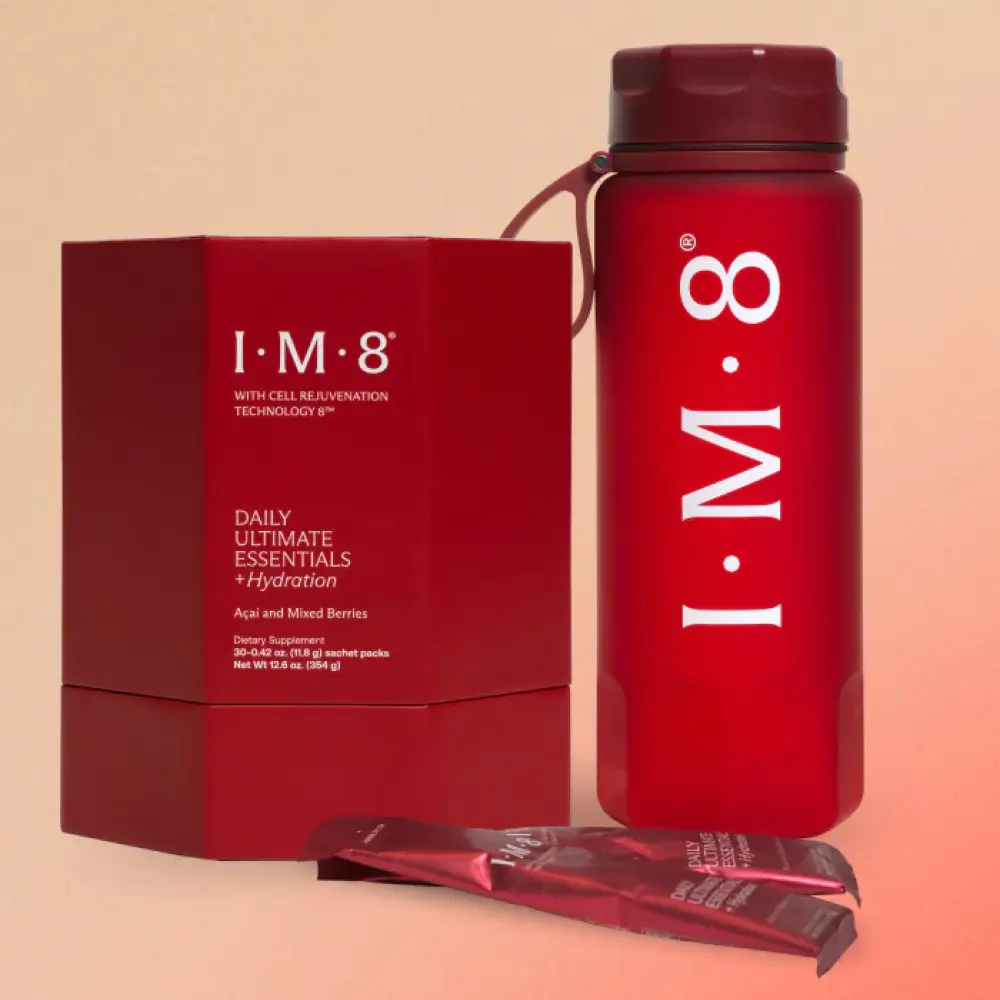
IM8

